Trees Matter! Then Plant It

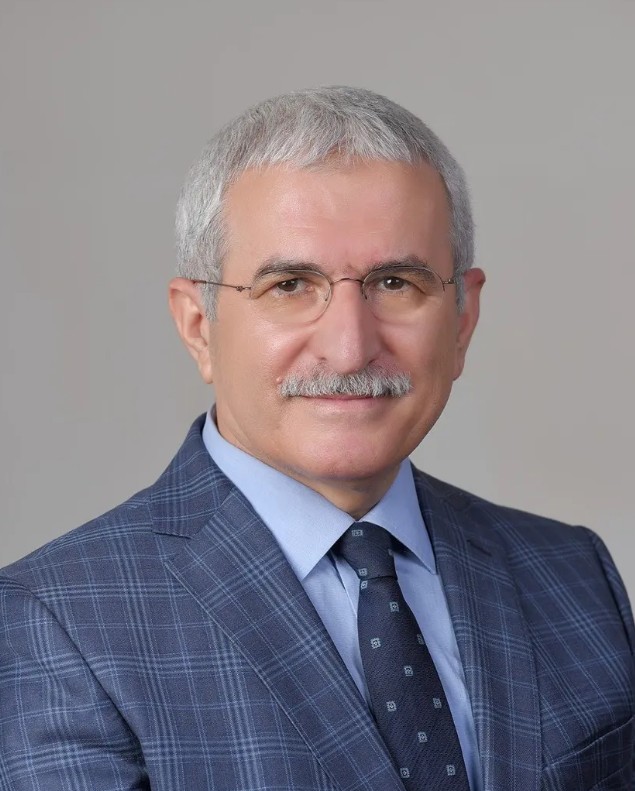
By Ibrahim Ozdemir, Muslim Environmentalist, Philosopher, and CMGT Board Member

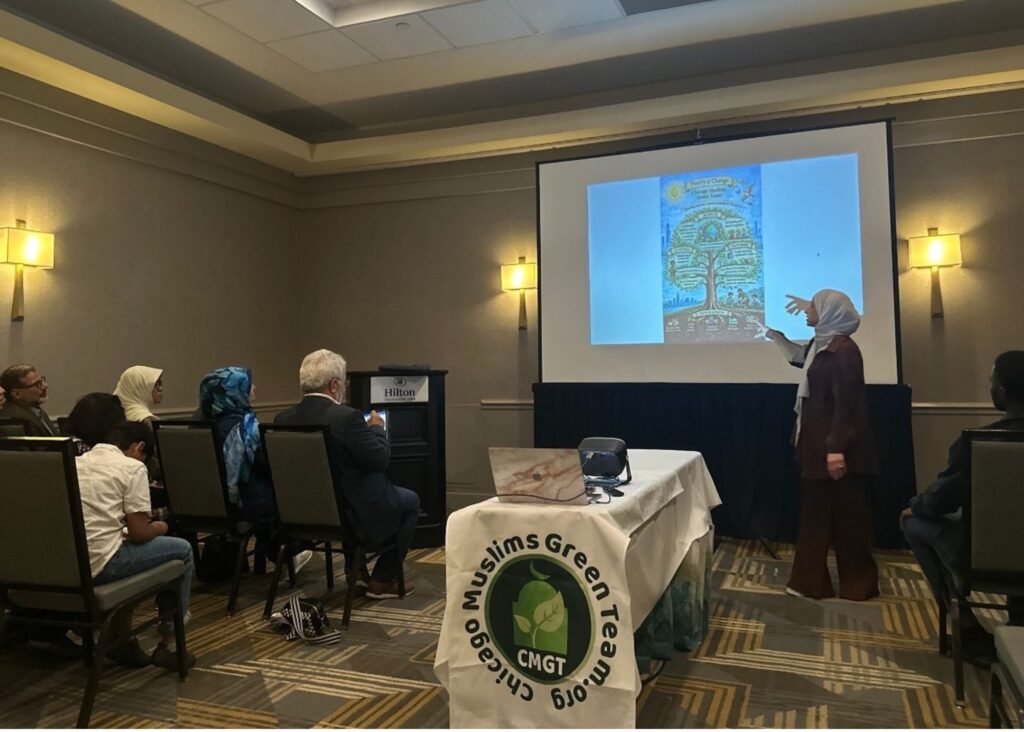
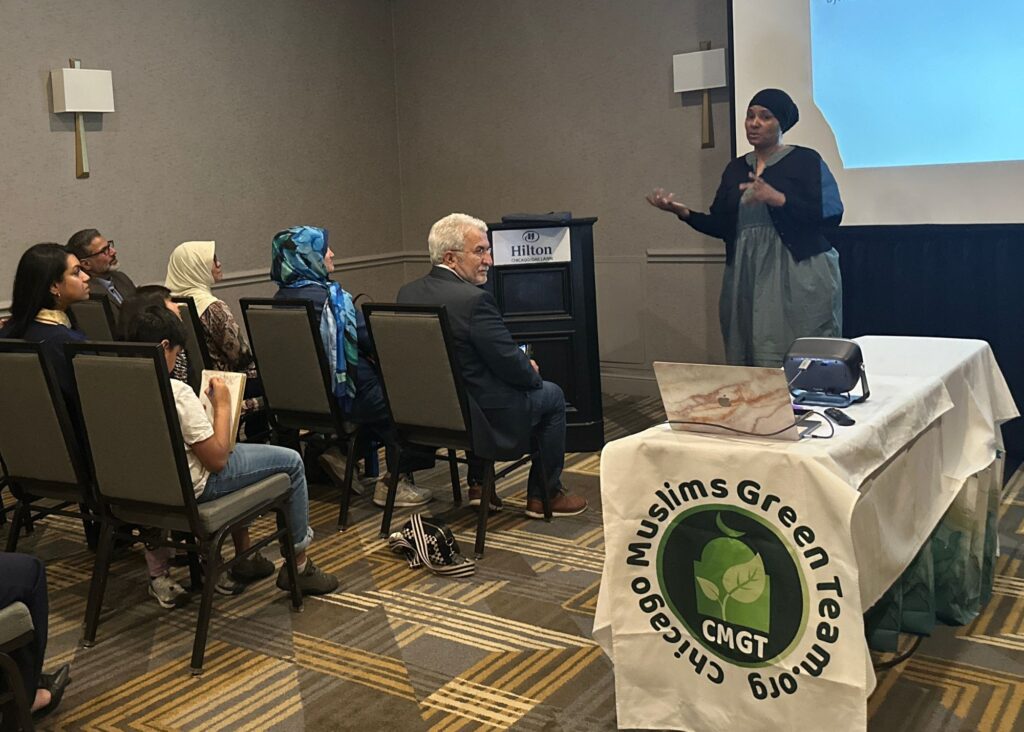
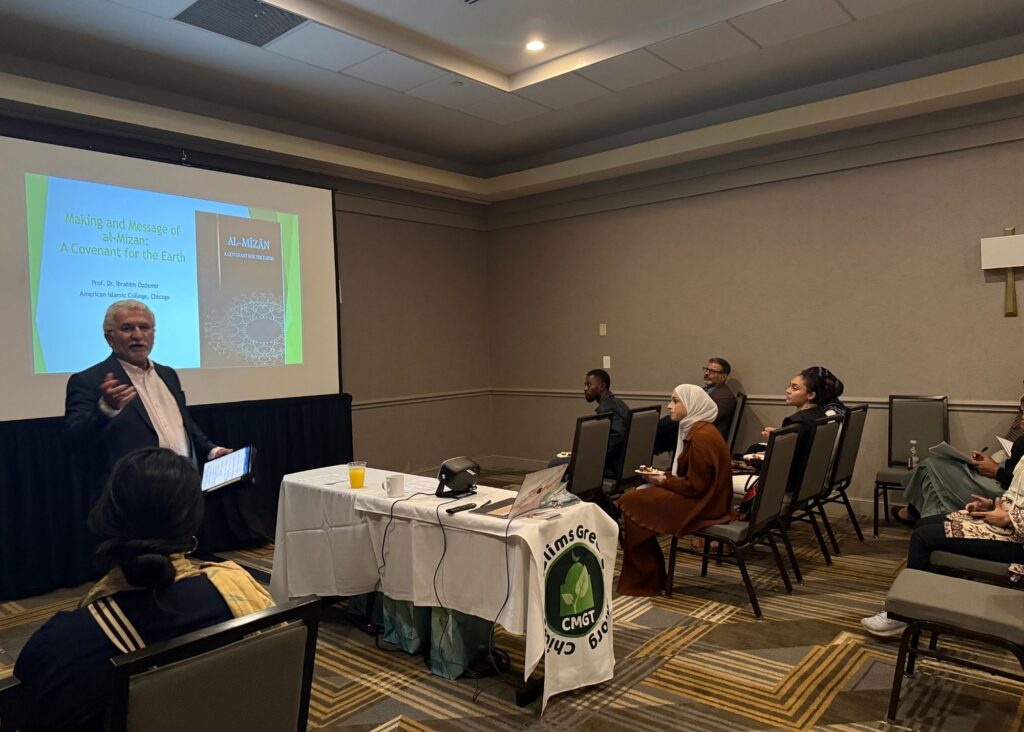
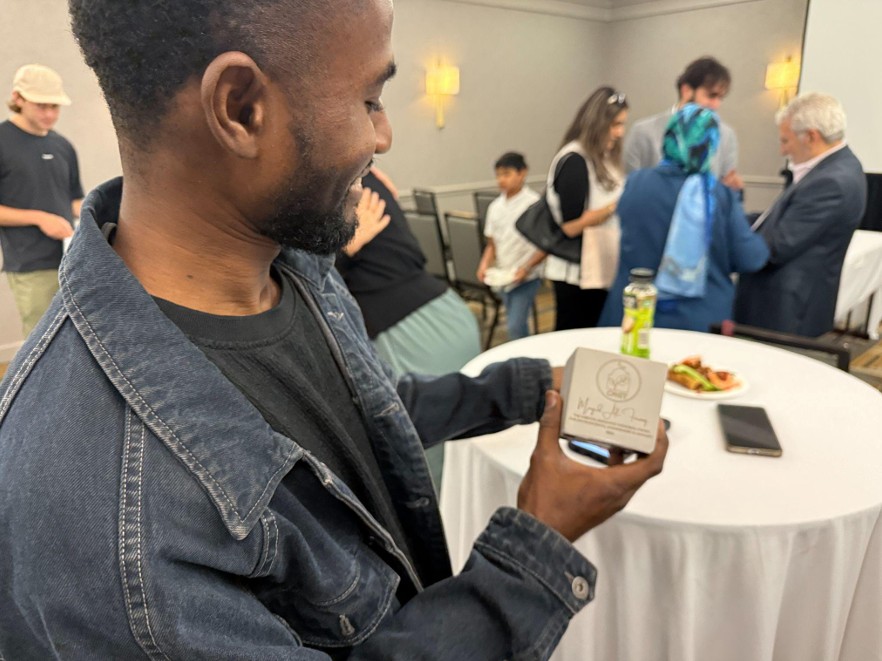
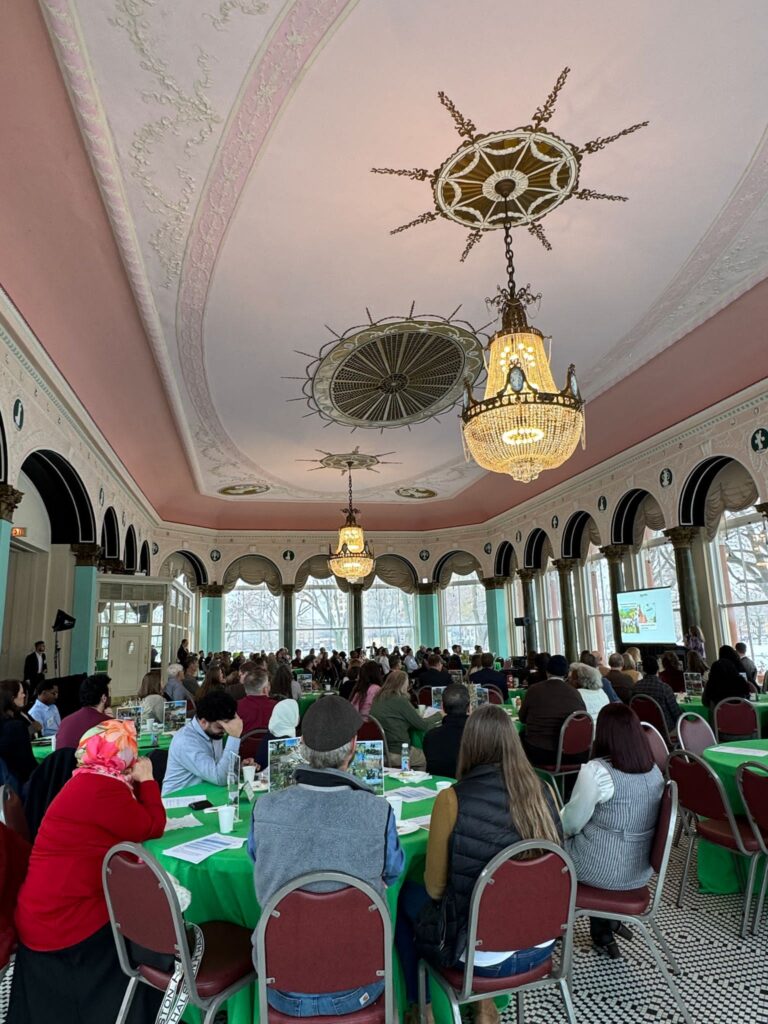
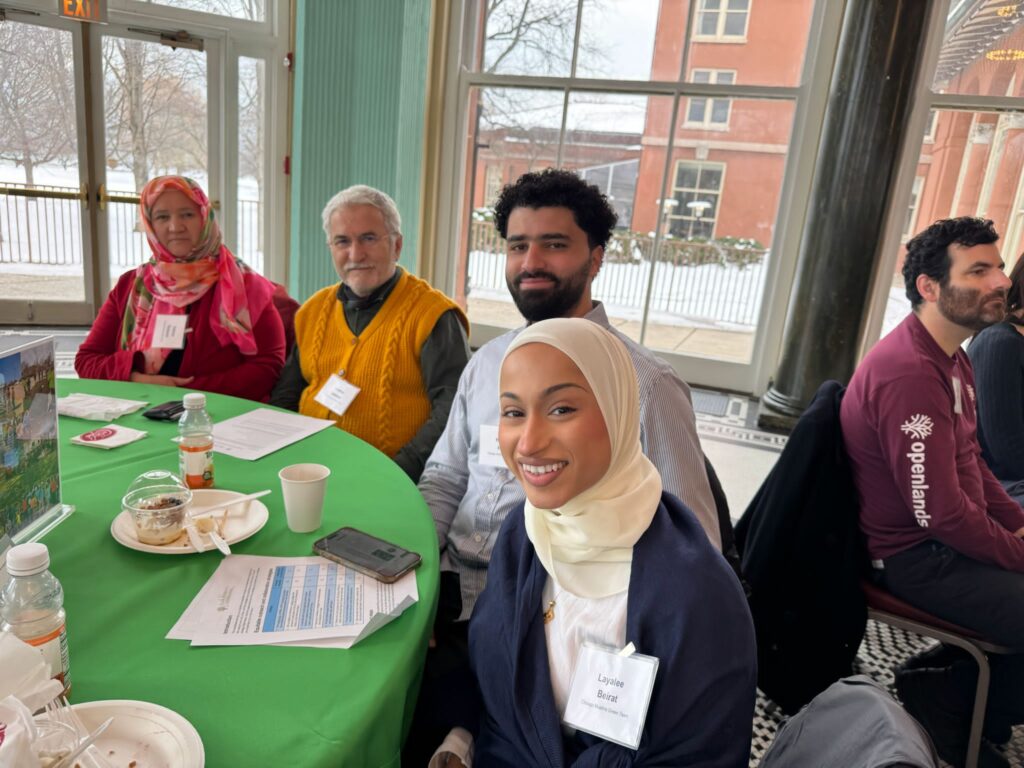
This morning, I attended a great breakfast hosted by the Chicago Region Tree Initiative at the South Shore Cultural Center. Our primary focus was caring for trees, as they are essential to both ecosystems and human life. We considered how trees clean out air, cool our cities, support biodiversity, and bring healing and beauty to our neighborhoods.

Dr. Christina Carmichael, founder and principal of Fair Forests Consulting, emphasized that we are entering a new era — one in which our care extends not only to humans but also to the trees in our neighborhoods. Every single tree matters.

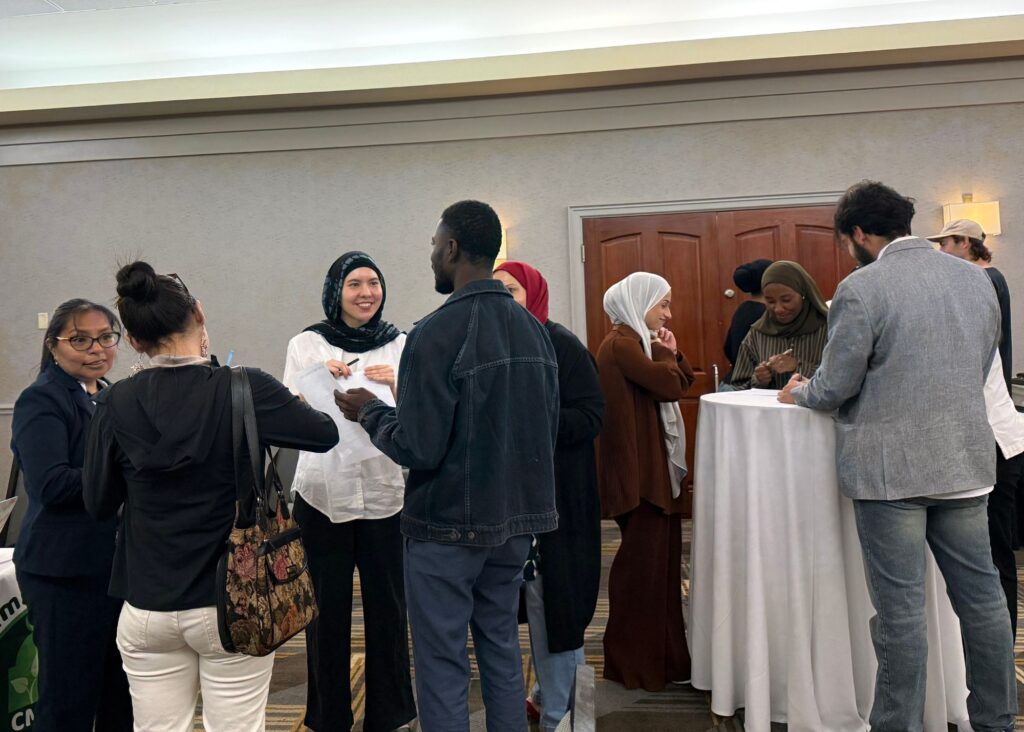
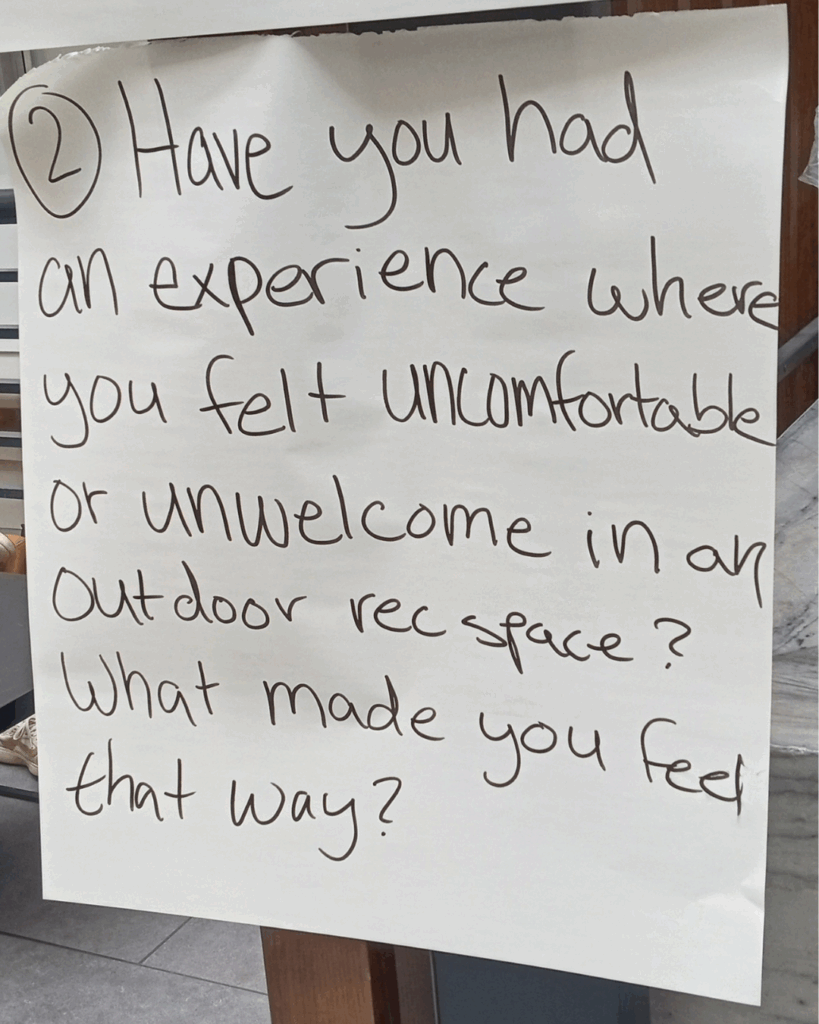
The community-focused approach described in the shared questionnaire shows us that understanding a neighborhood today involves more than just demographic or social information — it requires listening to how resident perceive and value their natural environmental.

Questions like “What do you notice about the trees?”, “What concerns do you have?”, and “What would you like to see in the future?” show a growing awareness: trees are no longer background elements. They are active participants in our shared ecosystem.

As we discussed community engagement and environmental stewardship, I was reminded of a profound saying of the Prophet Muhammad (peace be upon him): “If the Final Hour comes while you have a sapling in your hand, and you are able to plant it, then plant it.”

This compelling teaching captures the core of hope, responsibility, and action –regardless of how overwhelming the uncertainty may seem. It reminds us that caring for the Earth is not just an ecological duty but also a moral and spiritual act. Even when facing ultimate judgement, one must pursue good deeds, growth, and future benefits, showing that hope and responsibility endure until the very end.

Today’s gathering — bringing together young people who traveled long distances on a snowy morning — deepened my belief that caring for trees is, in essence, caring for life itself. Their commitment, warmth, and curiosity confirmed that when we nurture a tree, we nurture our communities, ecosystem, and the future generations who will inherit this Earth.

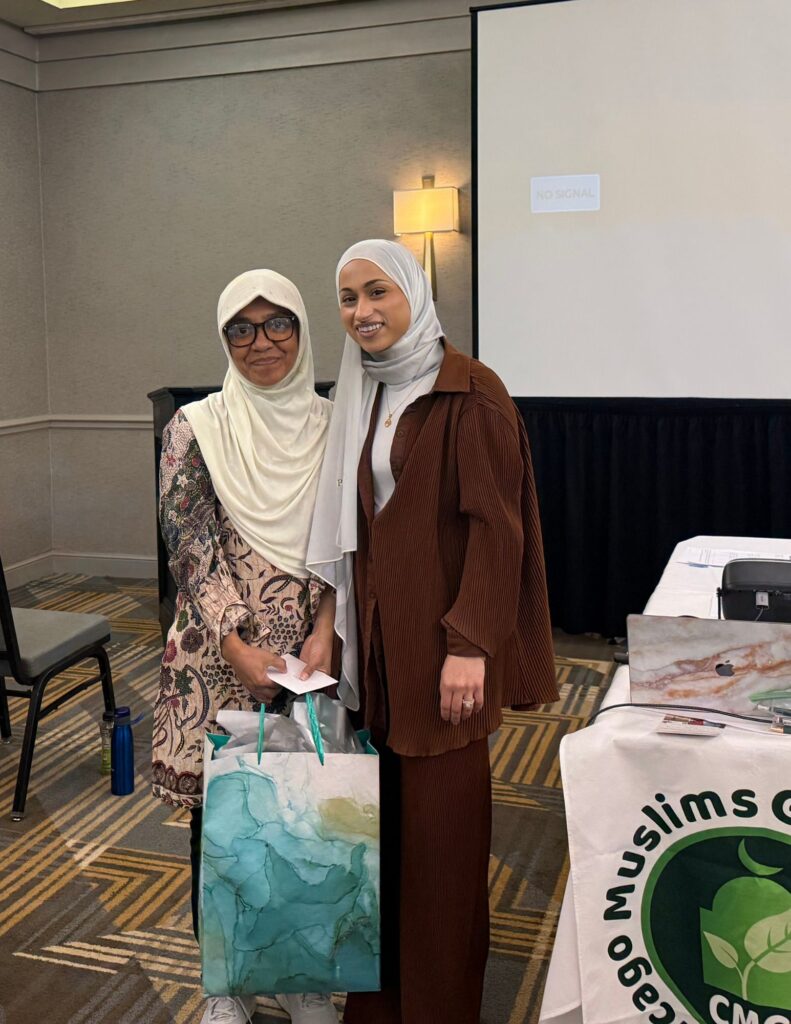
CMGT Board Members attend the CRTI’s Annual Partner Recognition Celebration (12/6) at the Chicago Cultural Center

As a Muslim environmentalist, I have many scientific works, literary reflections, and spiritual texts on trees. Over the years, I have even classified all the Qur’anic verses and Prophetic sayings related to trees, a testament to how deeply our tradition honors the living world. Among the many writings I cherish, one that continues to move me is an essay by German Nobel laureate Herman Hesse.

As my wife and I head to a breakfast organized by the Chicago Region Tree Initiative this morning, Hesse’s timeless words in “On Trees” return to me with depth and meaning:

For me, trees have always been the most penetrating preachers. I revere them when they live in tribes and families, in forests and groves. And even more I revere them when they stand alone.
They are like lonely persons.
Not like hermits who have stolen away out of some weakness, but like great, solitary men, like Beethoven and Nietzsche. In their highest boughs the world rustles, their roots rest in infinity…
Nothing is holier, nothing is more exemplary than a beautiful, strong tree. When a tree is cut down and reveals its naked death-wound to the sun, one can read its whole history in the luminous, inscribed disk of its trunk: in the rings of its years, its scars, all the struggle, all the suffering, all the sickness, all the happiness and prosperity stand truly written, the narrow years and the luxurious years, the attacks withstood, the storms endured. And every young farm boy knows that the hardest and noblest wood has the narrowest rings, that high on the mountains and in continuing danger the most indestructible, the strongest, the ideal trees grow.
Trees are sanctuaries.
Whoever knows how to speak to them, whoever knows how to listen to them, can learn the truth…
So, the tree rustles in the evening, when we stand uneasy before our own childish thoughts: Trees have long thoughts, long-breathing and restful, just as they have longer lives than ours. But when we have learned how to listen to trees, then the brevity and the quickness and the childlike hastiness of our thoughts achieve an incomparable joy. Whoever has learned how to listen to trees no longer wants to be a tree. He wants to be nothing except what he is.
That is home.
That is happiness.

Our our way home, I kept the flyer with me — determined to share its message with my neighbors. It felt more than a handout; it was a reminder that each of us has a role in caring for the trees, the land, and our community.

By passing it along, I hope to spark conversations, inspire small acts of care, and help cultivate a neighborhood where every tree and every person truly matters. And in doing so, I remind myself of the timeless wisdom in the Prophet’s saying: “If the Final Hour comes while you have a sapling in your hand, and you are able to plant it, then plant it.” A reminder that hope, stewardship, and responsibility start with even the tiniest act.

A Reflection on Justice Outside’s Unite and Ignite Conference

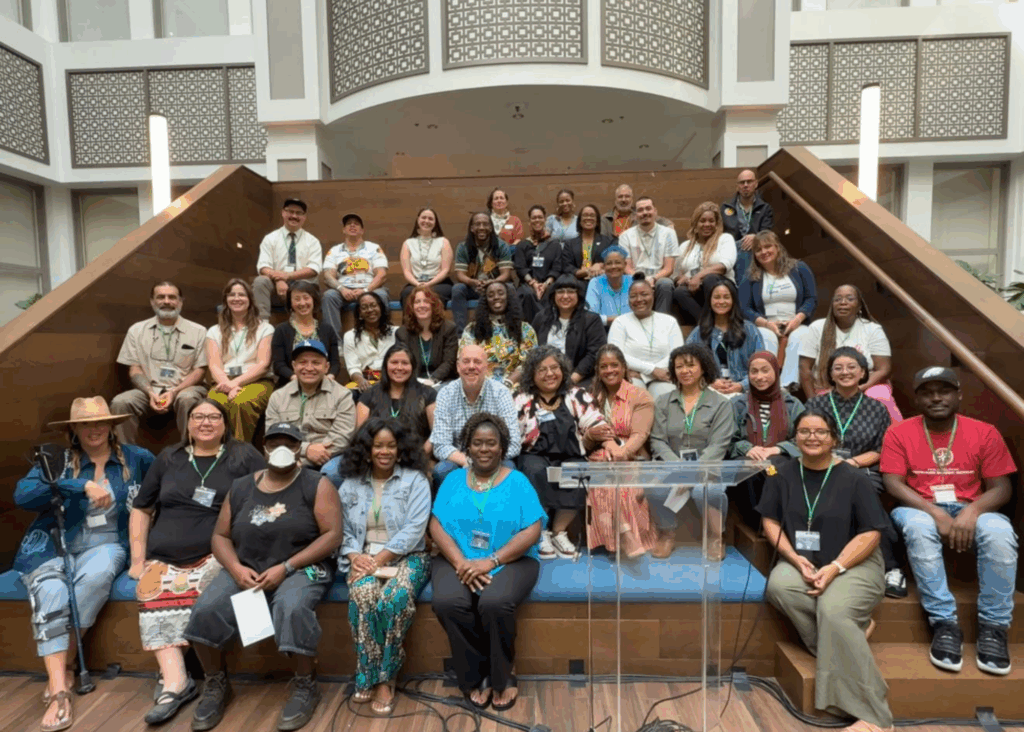
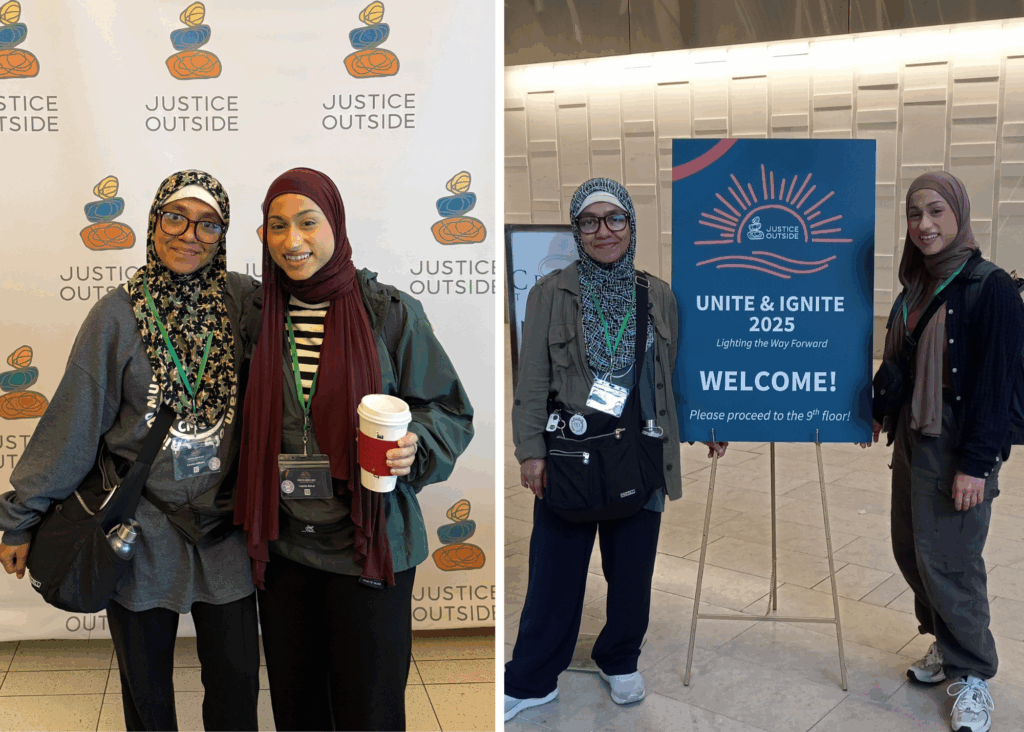
The Chicago Muslims Green Team (CMGT) is a small and young nonprofit. This October, we will be a 5-year-old 501(c)(3) organization. We are humble and grateful to have been given the chance to attend Justice Outside’s Unite and Ignite Conference in Philadelphia, Pennsylvania, from September 22 to 24.
CMGT was represented by CEO Dr. Layalee Beirat and me, Tree Equity Program Manager. It was our first time visiting Philadelphia, and we were happy to learn that there are many Muslims in the city. We made great connections with local Muslims at the conference.

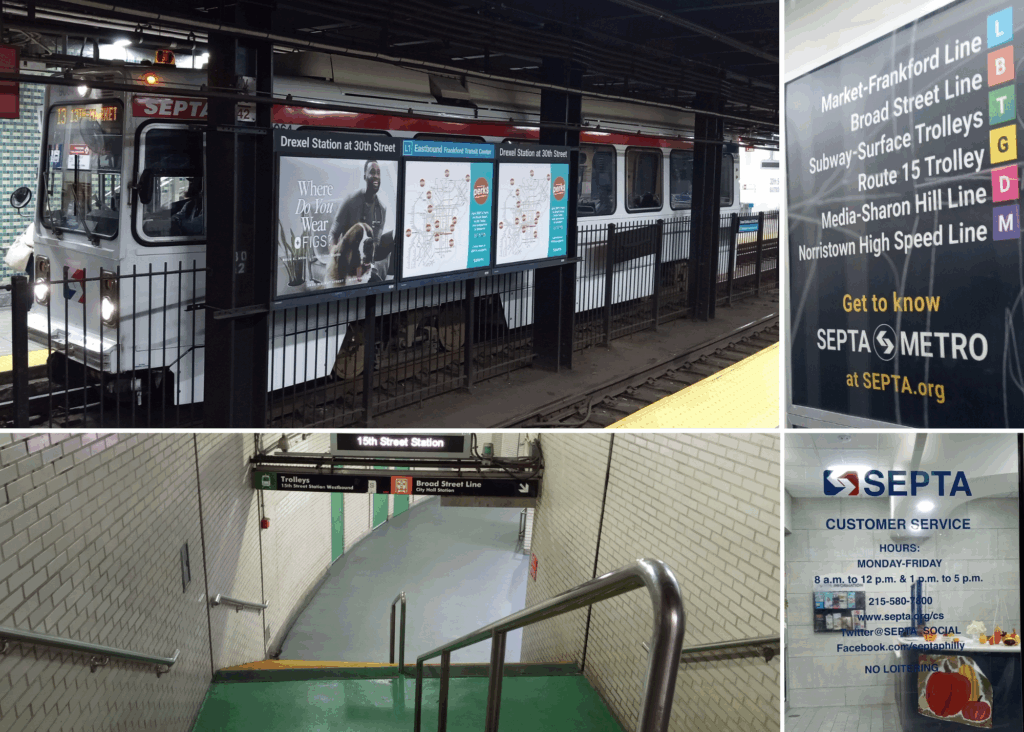
On the first day, I explored the city’s public transportation while CEO Beirat attended the Exclusive Pre-Conference Gathering for Grantees Only. I usually judge a city I visited based on the quality of its public transportation. I do not drive and I travel everywhere by bus or train. For me, it’s the best way to experience a city like a local does. I was impressed with the options available and I was excited to try the SEPTA trolley lines (T), something we do not have in Chicago. It is the descendant of a pre-World War II streetcar system. 

Southeastern Pennsylvania Transportation Authority (SEPTA)

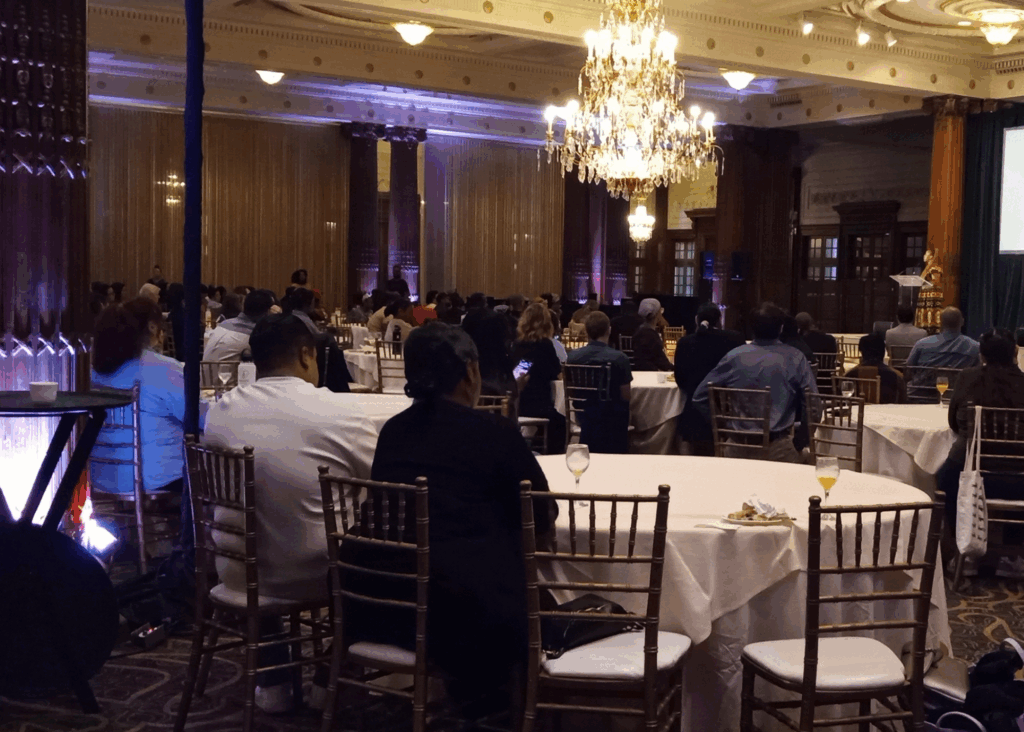
The conference took place at the historic Crystal Tea Room, located in the Wanamaker Building. It opened in 1911 and was designed to be a grand dining space featuring chandeliers and classic architecture. When I arrived, I felt a sense of luxury and a high class of sophistication, usually enjoyed by European aristocrats. I imagine that, in the past, as an immigrant and a person of color, I would not have been allowed to enter the room. But here I was, with other people like me, many of whom run community urban and rural farms, dealing with soil and dirt in outdoor setting and wearing different kind of clothes that match our personalities. We were there enjoying a good breakfast and getting to know each other. For me, this is a sign of progress.

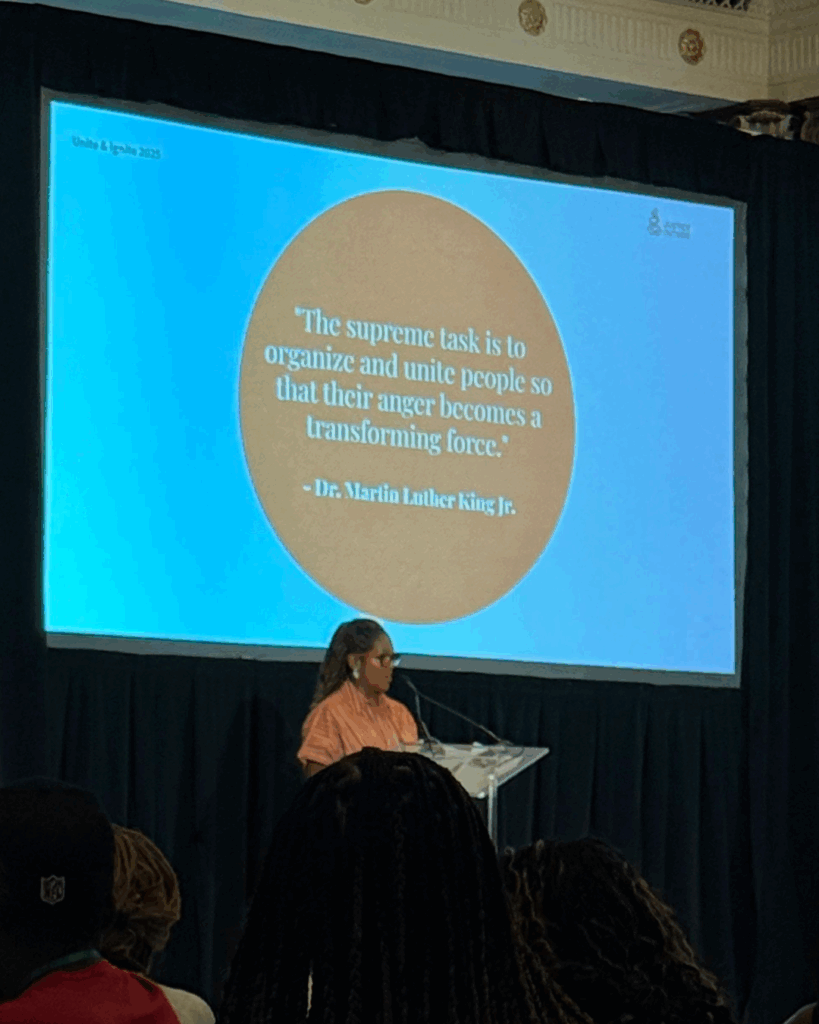
The opening remarks by Ronda Chapman, Kim Bailey, and Michelle Barakat from Justice Outside, followed by with keynote speaker Daniel Hunter from Choose Democracy, were inspiring. We were reminded of the importance of being united in turning our anger into a positive force for change. A quote from Dr. Martin Luther King, Jr. was displayed: ‘The supreme task is to organize and unite people so that their anger becomes a transforming force.’

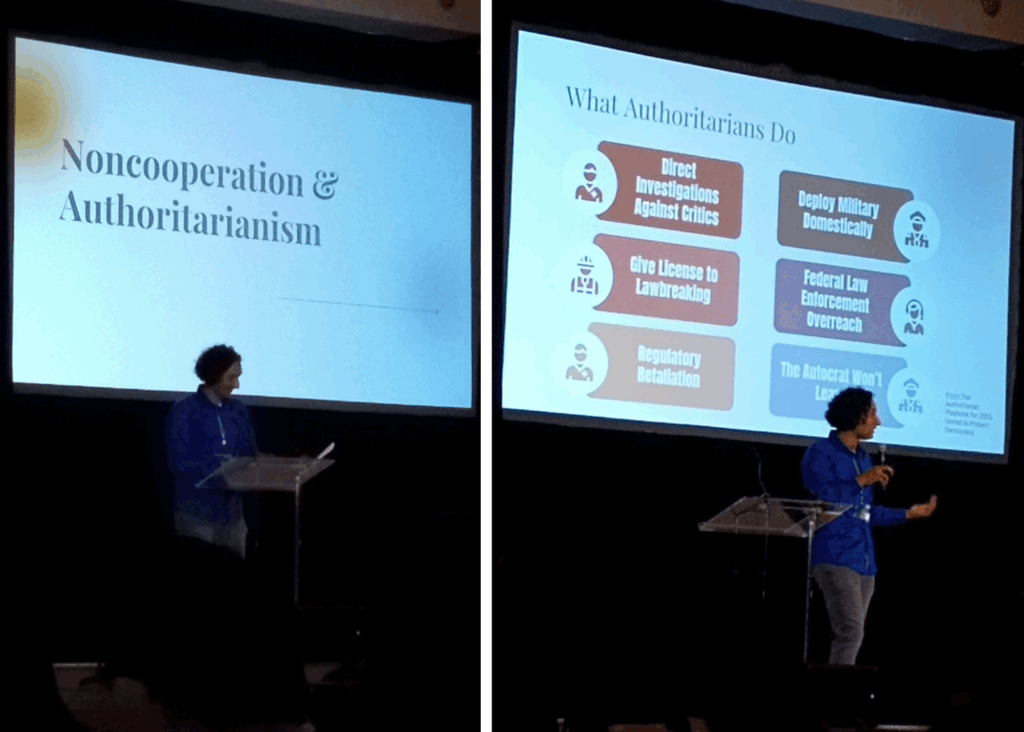
In his speech titled “Noncooperation and Authoritarianism,” Daniel Hunter identified what authoritarians do. One of them is, ‘The Autocrat Won’t Leave.’ This is unfortunately true.

I have been thinking that the U.S. will be 250 years old next year and is still facing the threat of authoritarianism, with their mission to make white supremacism great again. Compare that to many countries that are less than 100 years old, which gained independence in the mid-1900s after centuries of opposing Western colonization and supremacism.

I came from Indonesia, a country that fought for freedom from three centuries of Western colonialism and gained independence in 1945. As a student in Indonesia, I experienced living under a dictatorship that was in power for almost three decades and was forced to resign after massive protests and political, social, and economic unrest throughout the country in the late ’90s. I have heard that authoritarianism is making a comeback there.

For me, the fight against authoritarianism is a long struggle that may never end in our very short lifetimes. But it defines who we are. Are we simply accepting injustice, or are we standing against it? 

One thing we must not forget in our struggle is to keep joy in our lives, as it is a form of resilience. I was happy to discover that joy was a theme shared at this conference. I could feel how everyone works with love and passion for their communities. I learned a lot from a session titled “Joy Is Strategy: Centering Black and Brown Communities Through Festivals, Culture, and Land-Based Healing.”

In this fun, interactive workshop led by Teria Powell from Building Bridges in Washington, D.C., we explored how culturally rooted festivals can be powerful tools for environmental justice, healing, and land connection, using case studies from Washington, D.C. During the workshop, we literally had to get up from our chairs, connect with another participant, and write a letter to our colleague about one thing we will do in the next 30 days to move our work forward. The letter will be sent to our addresses via snail mail, not electronic mail.

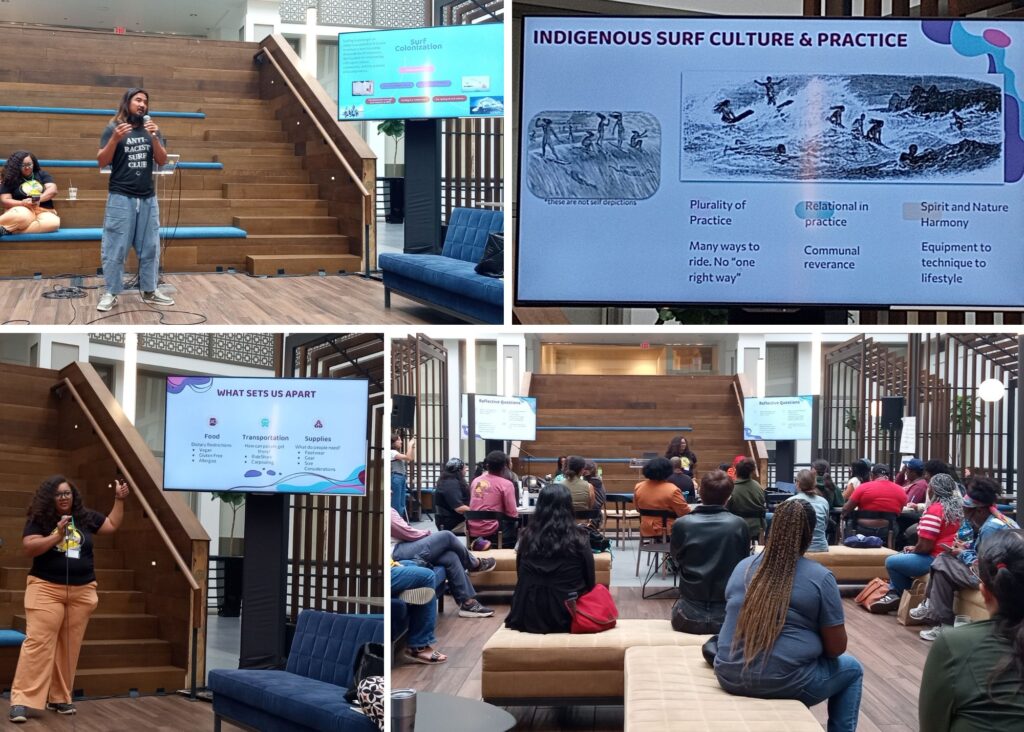
Another inspiring session I attended was titled “Beyond Representation: Challenging Exceptionalism in Outdoor Recreation Practices and Culture,” led by David Malana from Color the Water in L.A. and Hanan Robinson from the Build Love Advocacy Center in Arizona.

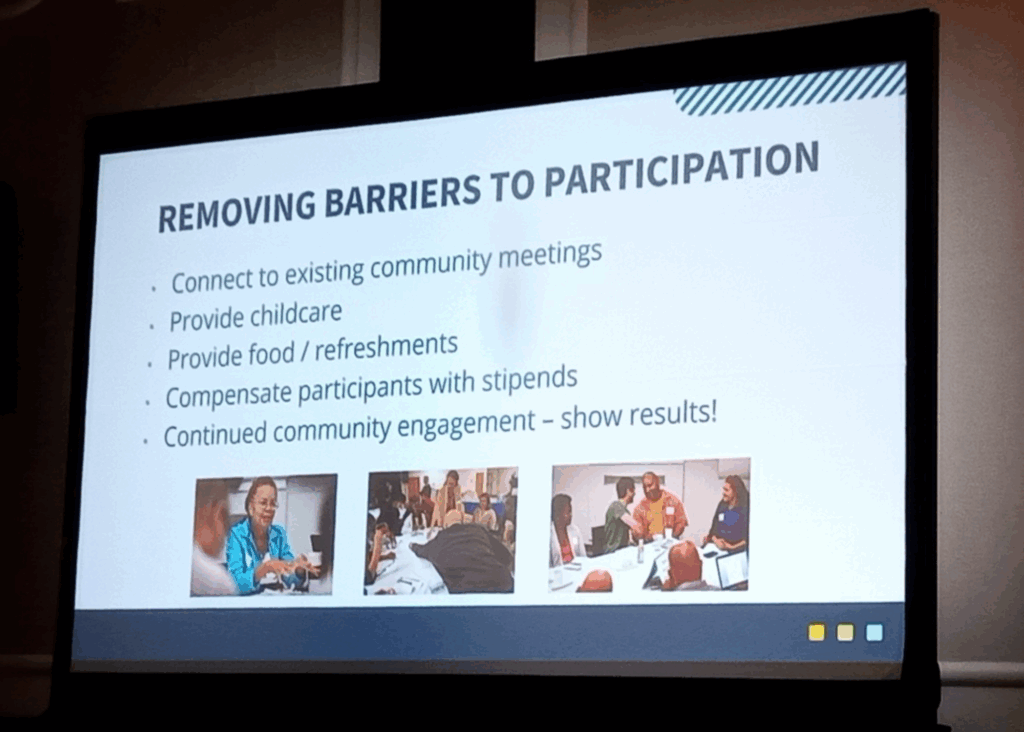
Hanan emphasized the importance of free access to outdoor activities for everyone, including gear that fits our body shapes. This reminded me of the barriers I used to have in my mind, such as thinking my legs were too short for rock or wall climbing. Additionally, at our recent wall climbing event in Chicago, two young Muslim girls demonstrated great climbing skills. Their parents told us that if we had not organized this event, they would not have come out.

David talked about bringing the joy of surfing to Black Lives Matter activists and reminded us that Indigenous Americans were experts in surfing, using gear made from natural materials. He also highlighted how surfing was part of social, cultural, and community activities, as seen in Hawaii, before being whitewashed by colonizers and transformed into a competitive sport dominated by Westerners.

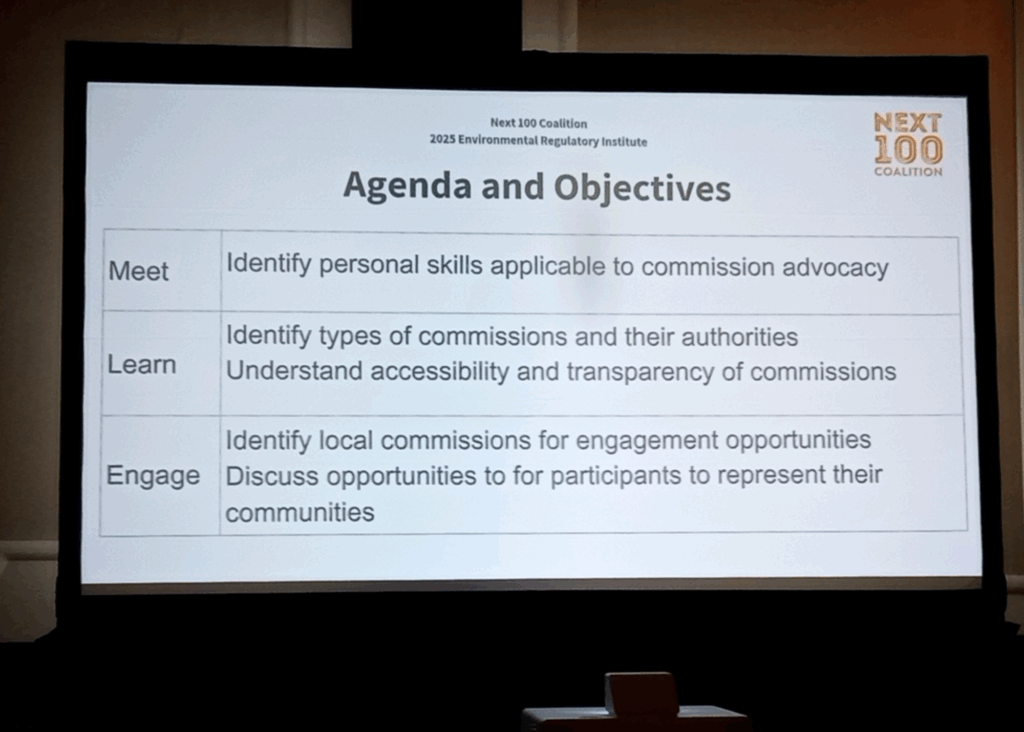
I also attended an informative workshop titled “Represent Your Community: Environmental Commissions 101.” Speakers Jonathan Tyrrell and Karyn Bigelow from the Next 100 Coalition shared facts about environmental commissions that make decisions regarding millions to billions of dollars in local, state, and federal funding, directly impacting outdoor access, public health, and the local environment. However, community representation is often significantly lacking in these spaces.

In this session, we first learned how to identify the commissioners, and we were encouraged to attend their public meetings to represent our community. I fully support this initiative because, since 2018, I have been attending these public meetings. I also joined the City Bureau Documenters to receive training and get paid to write reports or live-tweet from the meetings. This is just one of many ways to contribute to our society, to represent and empower our communities.

Overall, the conference lived up to its title, “Unite and Ignite.” I felt fired up joining Assata’s Chant with our fists in the air:

It is our duty to fight for our freedom!
It is our duty to win!
We must love and support one another!
We have nothing to lose but our chains!


Chicago Muslims Green Team Explores Gut Health at Green Teacher Gathering
Author: Sara Siddiqui

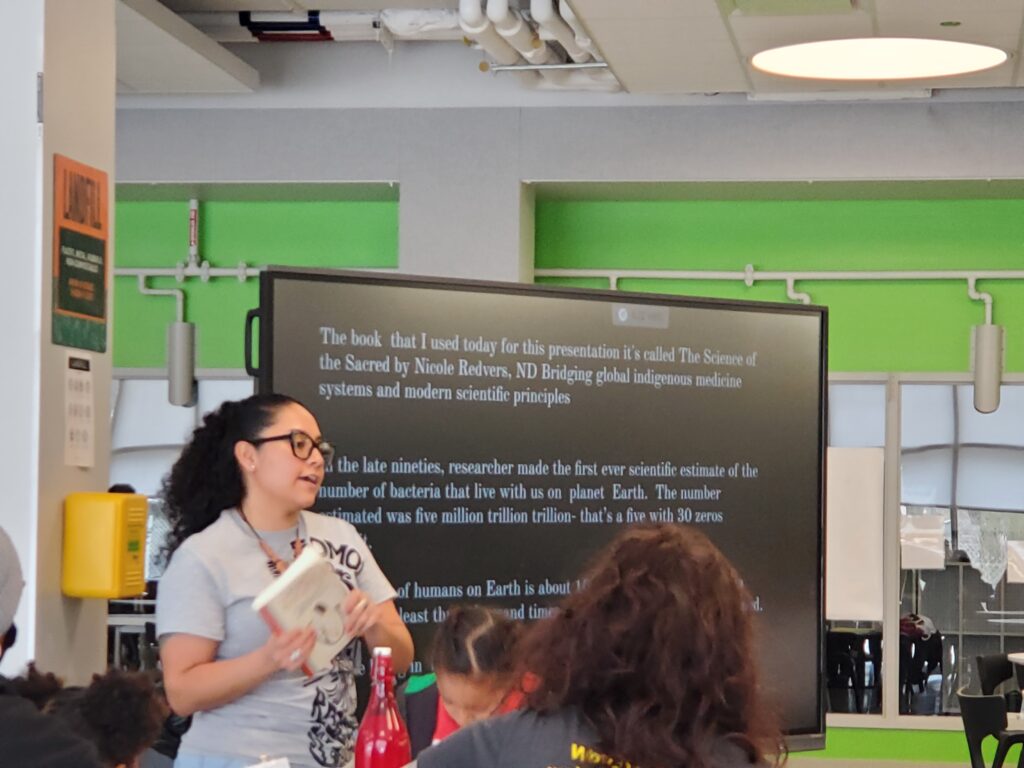
The Chicago Muslims Green Team recently had the pleasure of attending the Green Teacher Gathering in Chicago—a vibrant event bringing together educators, gardeners, and sustainability advocates from across the city. Among the many inspiring sessions, one workshop stood out for its blend of science, culture, and hands-on learning: “Bacteria is my Gut’s BFF.”

Led by the dynamic and passionate Chef Sarai Blankenbaker or Chef BB, the workshop took us deep into the fascinating world of the gut microbiome. We explored how beneficial bacteria play a crucial role in digestion, immunity, and overall well-being, and how our gardens can be sources of healing and health.

Chef BB introduced us to an array of prebiotic and probiotic foods we can grow ourselves—like cabbage, carrots, and hot peppers—and demonstrated how to transform them into delicious, fermented creations.

We had the chance to taste homemade kombucha and sample vibrant fermented veggies made by Chef BB herself, learning about the unique flavors and health benefits of these traditional preparations. We left not only with new knowledge, but also with a kombucha recipe, step-by- step fermentation methods, and a deeper appreciation for how different cultures—including indigenous communities—have used fermentation as a sustainable, health-supporting practice for generations.

This workshop aligned beautifully with the Chicago Muslims Green Team’s vision of cultivating environmentally responsible, health-conscious communities rooted in Islamic values. It reinforced our commitment to connecting spiritual well-being with ecological stewardship, and highlighted how growing and preparing our own food can nourish both our bodies and our planet.

We’re excited to put this knowledge into practice and to continue creating spaces where learning, community, and sustainability come together.

Pictures from the Green Teacher Gathering at Academy for Global Citizenship on Saturday, April 5, 2025.

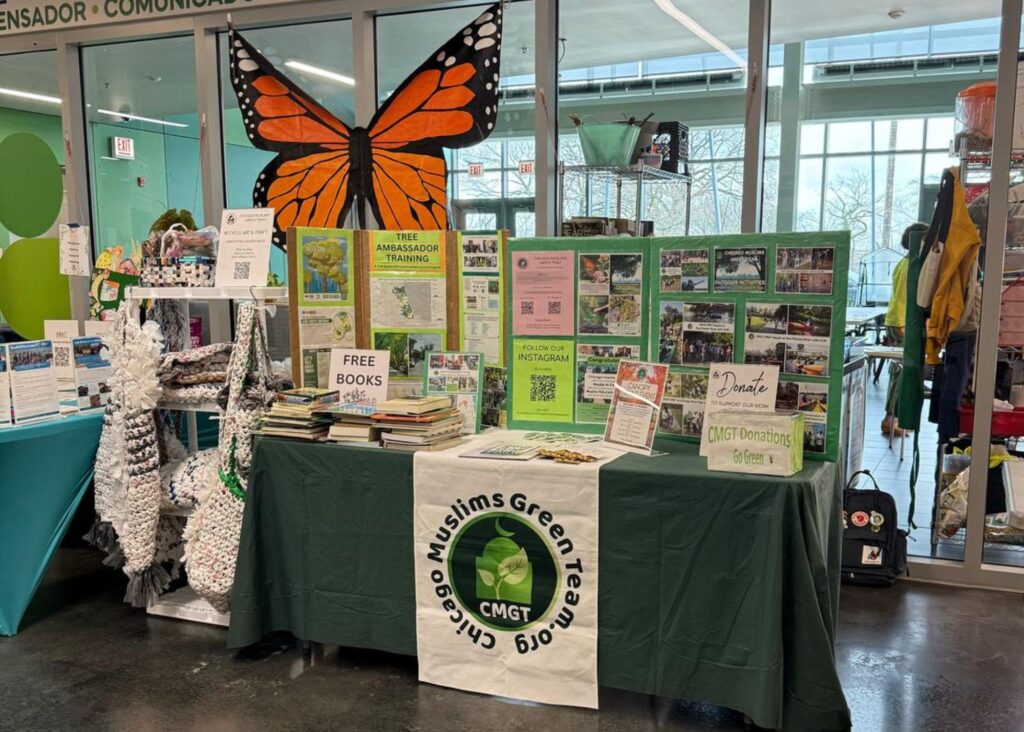
CMGT table at the Green Teacher Gathering.

My First Day of Ramadan at the Wild Things Conference

On March 1, 2025, I attended the 29th Annual Wild Things Conference in Rosemont, IL. It is the the largest conservation gathering in the Midwest, regularly drawing nearly 2,000 of nature enthusiasts, hosted by the Friends of Illinois Nature Preserves.

Honestly, I was hesitant to attend it because it was also the first day of Ramadan. I usually have a headache on my first day of fasting, so I did not think I could survive and enjoy being in the crowd. Turned out, I was wrong. I had so much fun there meeting people and gaining new interesting knowledge.

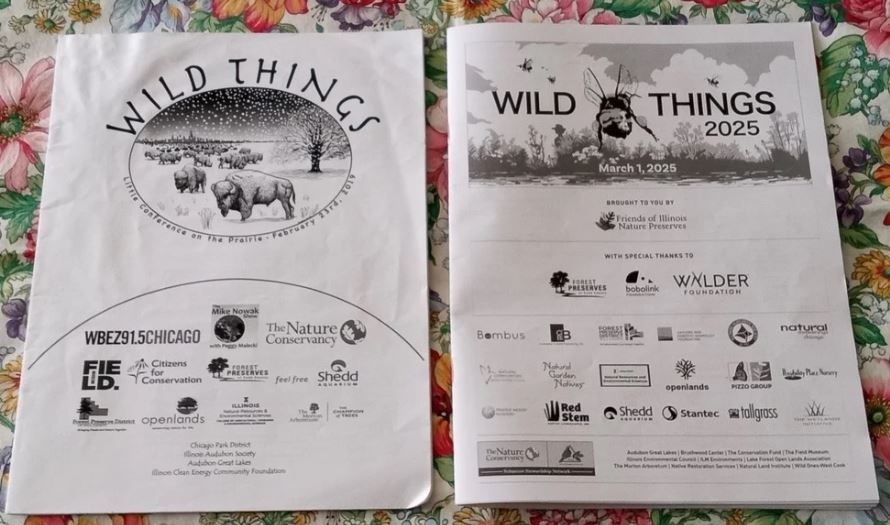
The booklets from Wild Things Conference in 2019 and 2025.

Previously, I attended the 23rd Wild Things Conference in February 2019. At that time, I knew only a couple of people. This year, I saw so many familiar faces. The Chicago Muslims Green Team (CMGT) sent three members to the conference, myself as the Board President, CEO Layalee Beirat, and Outdoor Recreation Program Manager, Sara Siddique. I am grateful to receive a scholarship and travel reimbursement to attend the conference.

From the agenda, I saw many interesting topics related to my passion, Community Science. I attended the session, “Expanding and Democratizing Science Trough Teen-created Research Projects” presented by David Bild, Community Science Manager at Peggy Notebaert Nature Museum of the Chicago Academy of Sciences.

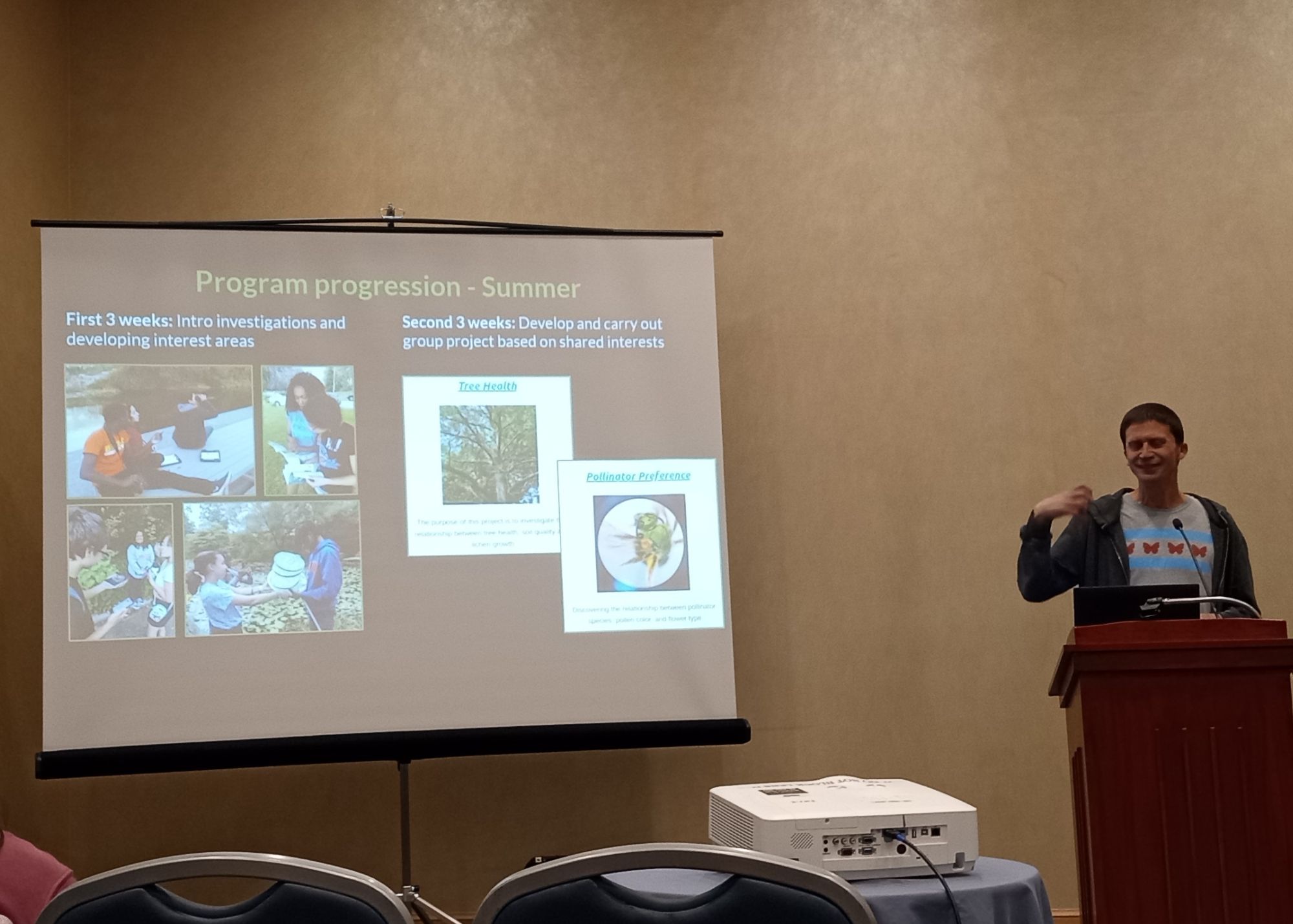
David Bild presents Expanding and Democratizing Science Trough Teen-created Research Projects.

Bild presented an interesting summer STEM program for teens. It is a 6-week paid internship that engages 30 Chicago high school students in lab and field-based activities focused on urban ecology to develop their critical learning and skills.

This topic represents my idealism on science that everyone, including youths can have fun applying the scientific method to appreciate nature.

I first learned about Community Science in 2018 from Bild when I attended the Chicago Conservation Corps training at the Nature Museum. My educational background is Physics, so I am naturally interested in anything related to science.

My interest in Community Science grew as far as getting a scholarship to attend the 2019 Citizen Science Association’s Conference in Raleigh, North Carolina. I became an Ambassador for the Citizen Science Asia and wrote a report, “The Importance of Regional Citizen Science Organizations“.

I also organized Citizen Science events for CMGT, the 2020 Introduction to Citizen Science Workshop at Nature Museum and the 2021 Community Building with Zooniverse Webinar with Adler Planetarium. I am still determined to spread awareness about Citizen Science or Community Science. I am glad to find out at the conference that the topic is still being discussed and keeps expanding.

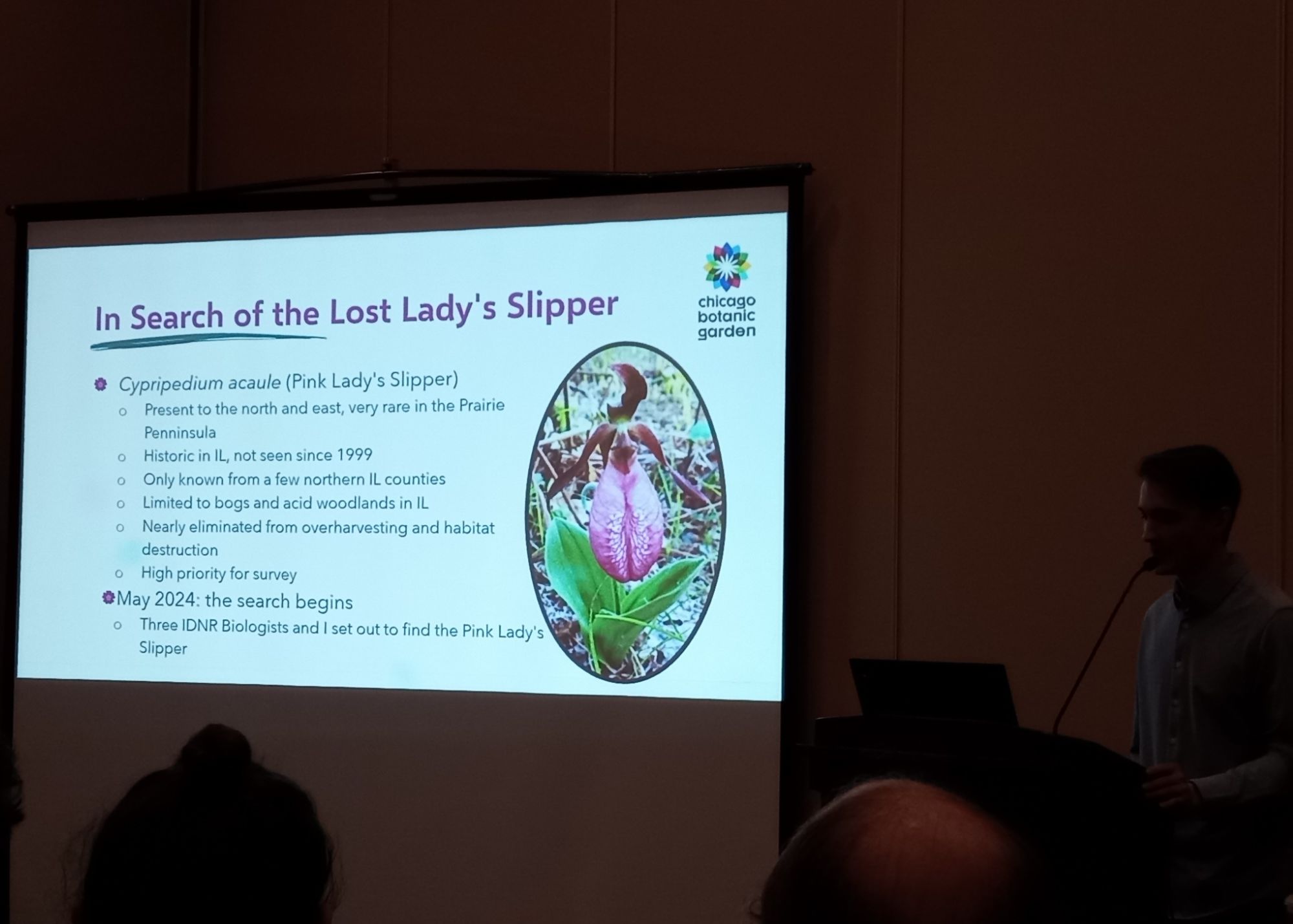
The next Community Science session I attended was “Plants of Concern: Community Science Rare Plant Monitoring in Action” presented by the Chicago Botanic Garden. Whenever I explore the outdoor,

I love taking pictures of wild flowers because they represent beauty and resiliency in nature. It was awesome to learn about beautiful rare plants in Illinois and how community members can actively help scientists to find and collect data of these unique plants.

Grant Fessler presents Plants of Concern: Community Science Rare Plant Monitoring in Action.

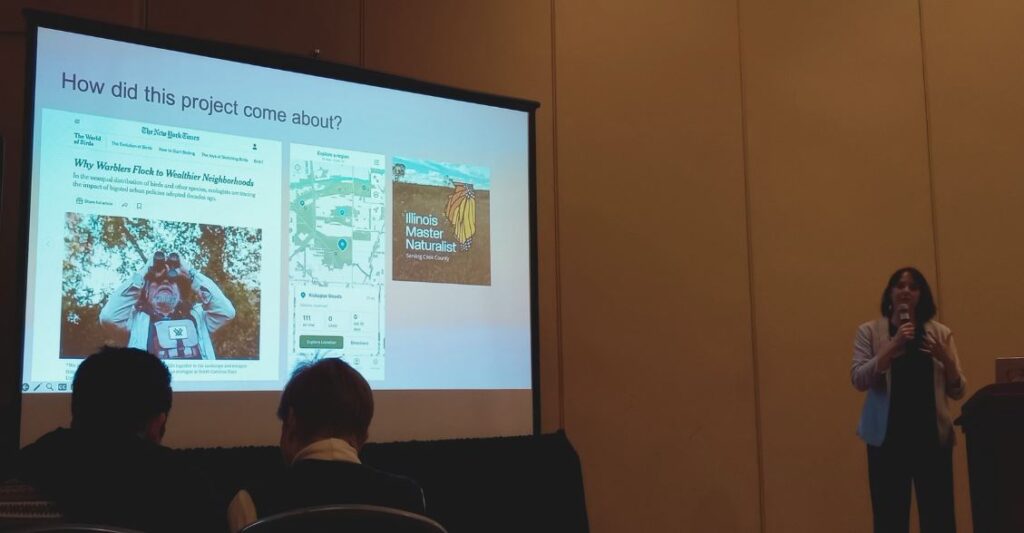
Another interesting topic is “Systemic Racism and Urban Ecology: Application in Community Science” presented by Illinois Master Naturalists. The presenters showed how Community Science was applied as a tool to demonstrate concrete examples of systemic and environmental racism in our urban ecology.

This topic clearly aligns with the mission of the Chicago Muslims Green Team (CMGT) to increase awareness about Environmental Justice issues in our community. In the past, Joy Bailey, one of the Illinois Master Naturalists connected CMGT to the Friends of the Chicago River and helped us to participate in the 2023 Chicago River Day at Kickapoo Woods.

Joy Bailey presents Systemic Racism and Urban Ecology: Application in Community Science.

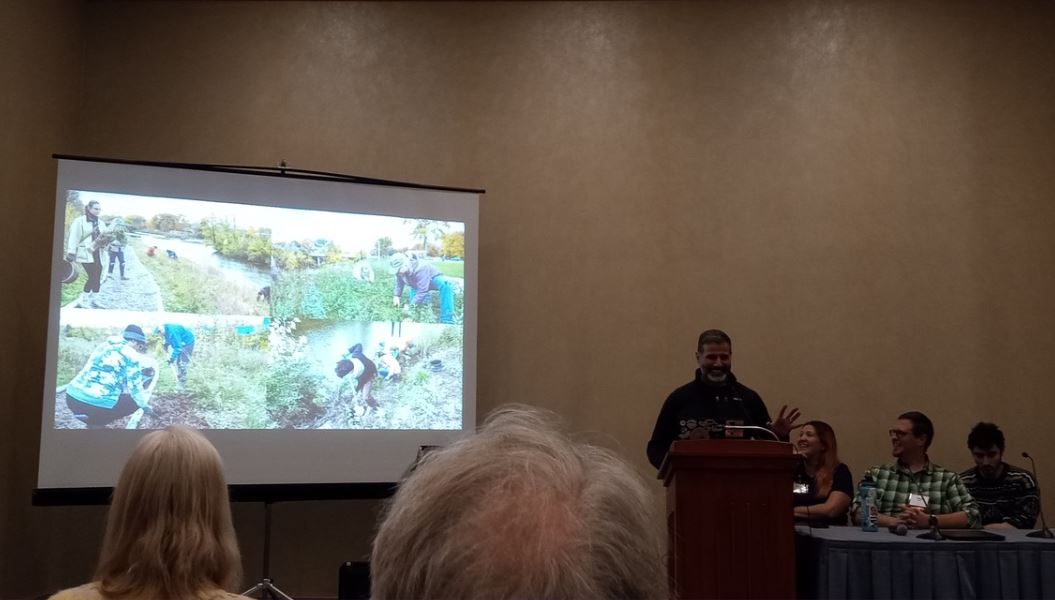
The next session I attended was, “Making River Restoration Work for Migratory Birds” presented by Chicago Bird Alliance. It was not related to Community Science, but I learned about the result of research and data collected on migratory birds to support the river bank restoration for their natural habitat.

Additionally, from one of the presenters, Raed Mansour, I learned about how community members had fun participating in the restoration activities and enjoyed watching the wild life in areas located not far from where I live. Now I can not wait for Spring to be able to ride my bike and observe nature in those areas.

Raed Mansour presents Making River Restoration Work for Migratory Birds.

Mansour who formerly worked at the Chicago Department of Public Health and now working for the Metropolitan Planning Council connected the CMGT to Our Roots Chicago program and the Tree Equity Working Group in Chicago and beyond. This is why, the next session we attended was the “Community Roots: Bottom-up Approaches to Tree Stewardship and Advocacy” presented by the Chicago Region Tree Initiative (CRTI) Morton arboretum.

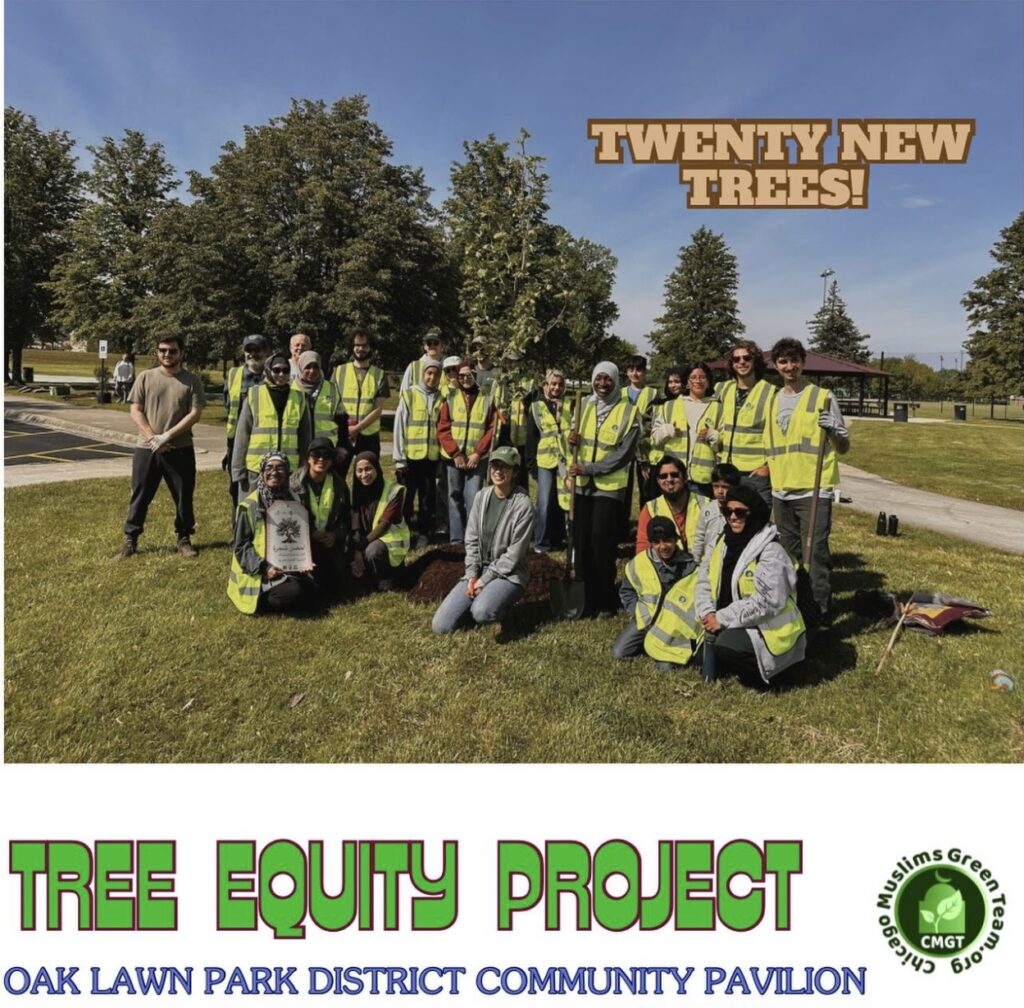
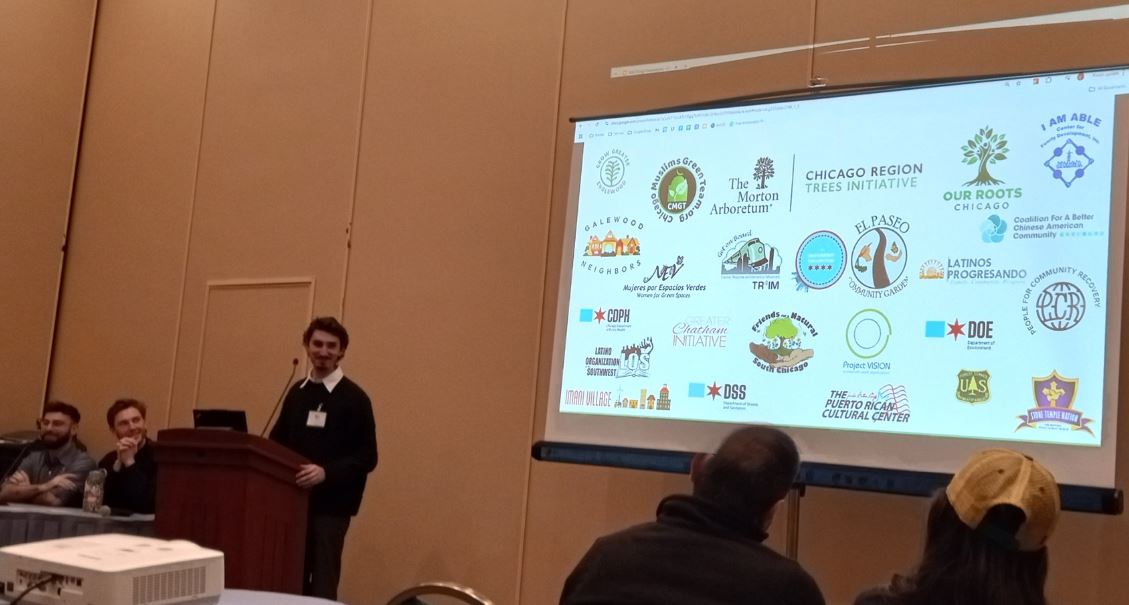
The CRTI crews, Paul Gordon, Varak Bosnoian, and Sam Works presented how community engagement comes in different forms for CRTI. They take a bottom-up approach, apply adaptive and creative ways of collaboration for Stewardship and Tree Ambassador Programs. In 2024, they worked with 40 community organizations including CMGT to get over 2,800 trees planted in the Chicago priority neighborhoods.

I can say that CMGT gains significant benefits, including financial and recognition of our hard work from becoming one of CRTI’s partner organizations.

Sam Works presents Community Roots: Bottom-up Approaches to Tree Stewardship and Advocacy. CMGT logo was displayed on the slide.

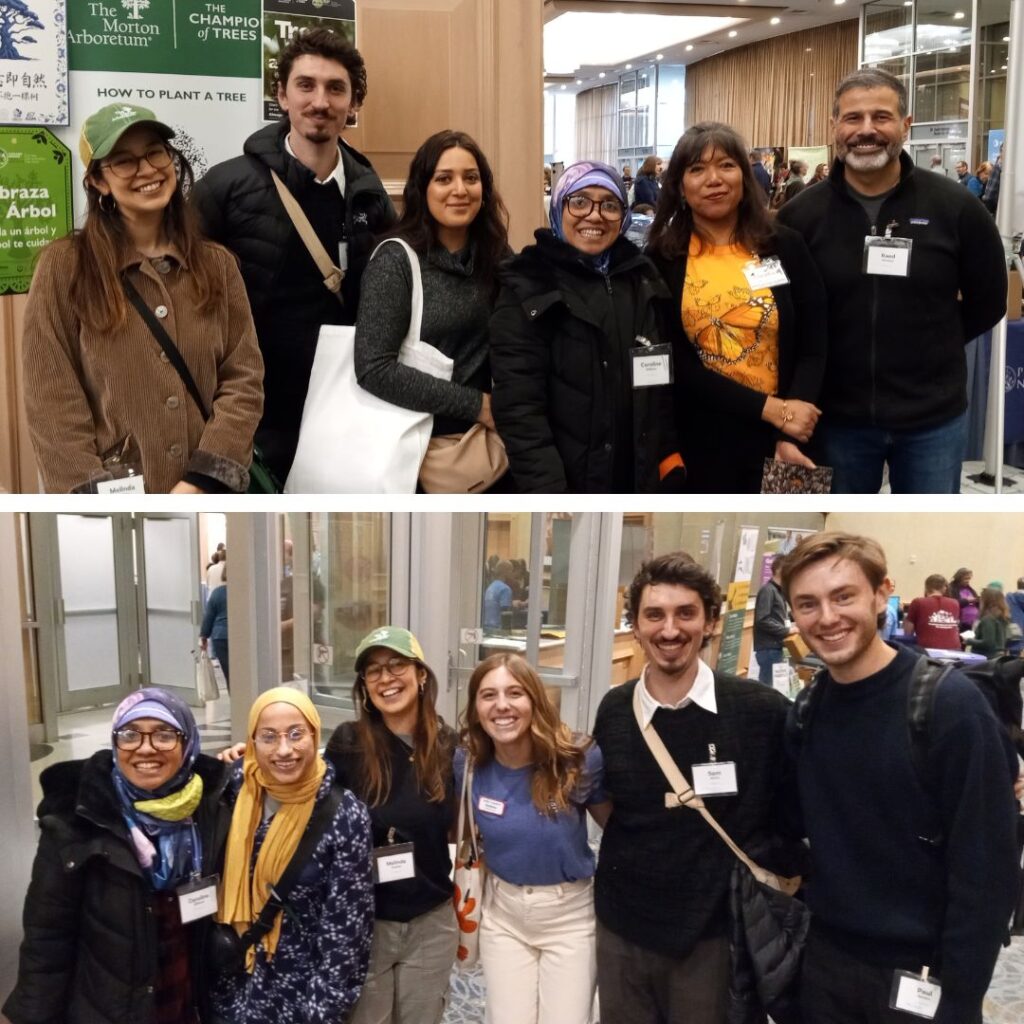
In these pictures: Caroline, Sara, Layalee from CMGT, Melinda, Sam, Paul, from CRTI, Claudia from Women from Green Spaces, Raed from Metropolitan Planning Council, and Krystyna from Shedd Aquarium.

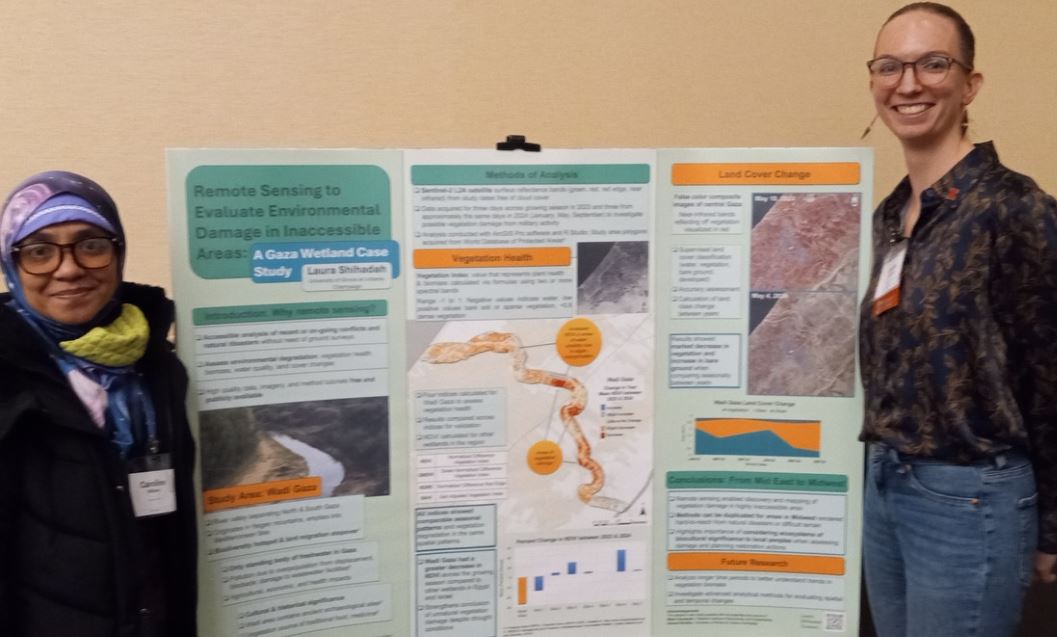
At the end of the conference, I checked out, “The Effect of Military Activity on Wadi Gaza” a poster presented by Laura Shihadah, a graduate student from University of Illinois in collaboration with Palestine Institute for Biodiversity and Sustainability.

The poster emphasizes the geographical significance of Wadi Gaza as one of the most importance coastal wetlands in the Eastern Mediterranean. It is an area rich in biodiversity and a stopover for many migrating birds from Africa and Eurasia. Using remote sensing, Shihadah was able to do analysis and assess the environmental degradation due to recent conflicts and natural disaster without ground surveys. The result of the study which was done from May 2023 to 2024 shows increasing bare ground and decreasing vegetation. Future research is suggested to analyze the area for a longer time period to gain better understanding of the trends in vegetation biomass.

The Effect of Military Activity on Wadi Gaza poster presentation by Laura Shihadah.

On the first day of Ramadan this year, Alhamdulillah, I feel grateful to gain new and interesting knowledge from the presenters. I also appreciate the “Quiet Room” provided at the conference. I was able to take a break and pray silently there.

It feels amazing to be part of a big network of nature lovers in the Chicago region. In the future, CMGT may be able to present a poster or a speech at the conference to share experience in engaging our community to outdoor activities in order to strengthen our health, mentally and physically.

2024 World Water Day, From Drinking Water to Plastic Waste

In the CMGT’s Executive meeting on March 16, CEO Layalee shared this disturbing info from uselessplastic Instagram about water privatization.

“Nestle Waters pumped almost 79 million gallons of water from the area surrounding Flint, Michigan in 2016, and paid just $200 to the state to do so. They made $7.4 billion in bottled water sales alone that same year.”

Flint, Michigan is where the clean water crisis happened in 2014 after the drinking water for the city was contaminated with lead and possibly Legionella bacteria.

CBSNews (3/23/2023), Michigan still dealing with fallout from Flint water crisis 9 years later; Plus new water worries.

On March 20, MCC (Muslims Community Center) Green Team member, Rohina shared the following article in the WhatsApp group:


NBC Chicago (3/20/2024), Nearly 70% of children in Chicago are exposed to lead-contaminated water: Study.

Here are more news about lead issue in Chicago’s drinking water:

Back in 2019, the CMGT (Chicago Muslims Green Team) had a table at IMAN’s Farmer Market in Chicago Lawn, southwest side Chicago neighborhood. We helped a researcher from Virginia Tech to share free lead-test kits to the residents. Our campaign at that time was, “What’s in Your Water?”

Here are pictures from our activities.

This lead-contamination in Chicago drinking water may motivate many Chicagoans to buy water bottles which contributes to the amount of plastic waste. It also bring lots of profit for businesses on water privatization.

In March 2021, to commemorate the World Water Day, the CMGT published an article, Water as Traded Commodity from Muslims’ Perspective, written and edited by our volunteers Caroline and Kaylee.

The article discussed the answer to “What does water mean to me?”, the issue of water supplies in Chicago, the value of water from Muslim’ perspective, and reminders from the Prophet Muhammad (PBUH), why and how we should save water and protect the water resources for the benefits of all.

It is no doubt that there are so many things we need to do to ensure the access of clean water for our communities’ health benefits, to protect our water resources, and to reduce bottled water plastic waste.

One of the solutions is to install water filter. Here is the recommendation from The EPA (Environmental Protection Agency) on Drinking Water Filters Certified to Reduce Lead.

We hope that our mosques or Islamic Centers will participate in raising awareness on this issue and installing water filters for our communities.