
Green fuels are types of energy sources that are considered environmentally friendly because they produce fewer greenhouse gasses when they are used compared to traditional fossil fuels. These fuels are also referred to as clean, renewable, or sustainable energy sources. Some examples of green fuels include:
Solar energy: This is energy that is produced by the sun and can be harnessed using solar panels. Solar energy is a clean and renewable energy source because it does not produce any emissions when it is used.
Wind energy: This is energy that is produced by the wind and can be harnessed using wind turbines. Like solar energy, wind energy is also a clean and renewable energy source.
Hydroelectric energy: This is energy that is produced by the movement of water and can be harnessed using hydroelectric dams. Hydroelectric energy is a clean and renewable energy source, but it does require a large amount of water to produce.
Biofuels: These are fuels that are produced from organic matter, such as plant material or animal waste. Biofuels can be used to power vehicles and other types of machinery, and they produce fewer greenhouse gasses compared to traditional fossil fuels like gasoline or diesel.

In a recent interview on ‘The Turning Point Podcast’ (www.theturningpointpodcast.com) hosted by Mohammed Faheem, Terry Marker, senior scientist at GTL Technologies spoke about the ongoing research and development in the field of green fuels, as scientists and engineers seek to find more efficient and sustainable ways to generate energy. Some of the latest research in green fuels includes:
Advanced biofuels: Researchers are working on developing advanced biofuels that can be produced from a wider range of feedstocks, including non-food crops and waste materials. These fuels have the potential to be more efficient and cost-effective than traditional biofuels.
Carbon capture and storage: Scientists are developing technologies that can capture carbon dioxide emissions from power plants and other industrial sources and store them underground, rather than releasing them into the atmosphere. This could help to reduce the carbon footprint of traditional fossil fuels.
Solar energy technologies: There is ongoing research into ways to make solar panels more efficient, as well as developing new types of solar energy technologies, such as solar paint and solar windows.
Wind energy: Researchers are working on ways to improve the efficiency of wind turbines and to make them more cost-effective. They are also exploring new designs for wind turbines, such as vertical axis turbines and turbines that can be deployed offshore.
Hydroelectric power: Scientists are studying ways to improve the efficiency of hydroelectric power plants and to make them more environmentally friendly. They are also exploring the use of small-scale hydroelectric systems, such as micro hydro systems, which can be used to generate electricity in remote areas.
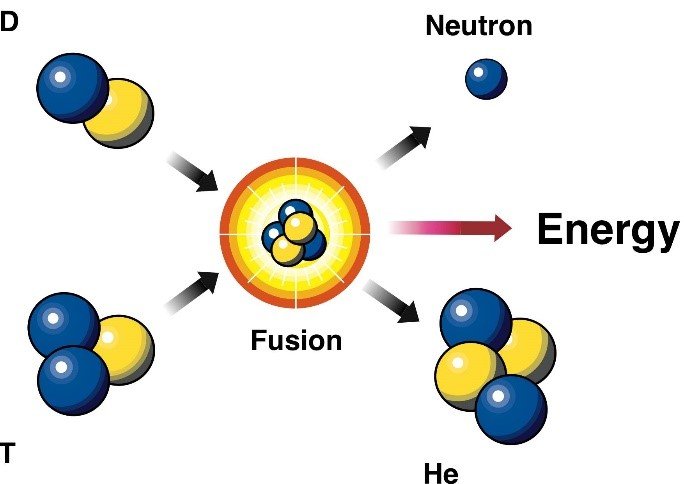
Atomic Fusion: Nuclear fusion is described as the “holy grail” of energy production. It is the process that powers the Sun and other stars. It works by taking pairs of light atoms and forcing them together – this “fusion” releases a lot of energy. Nuclear fusion produces far more energy, and only small amounts of short-lived radioactive waste. And importantly, the process produces no greenhouse gas emissions and therefore does not contribute to climate change. This is in the experimental stages now.
GTL: Gas to liquid technologies: These processes are already in place in many countries. In Saudi Arabia, ‘Green Hydrogen’ is produced from sea water by separating hydrogen from oxygen and ‘Blue Hydrogen’ is produced by reducing Ammonia. Blue Hydrogen is currently exported to Japan from Saudi Arabia and is used to power several types of vehicles.
Overall, the goal of these and other research efforts is to find more sustainable and efficient ways to generate energy that will help to reduce our reliance on fossil fuels and mitigate the impacts of climate change.